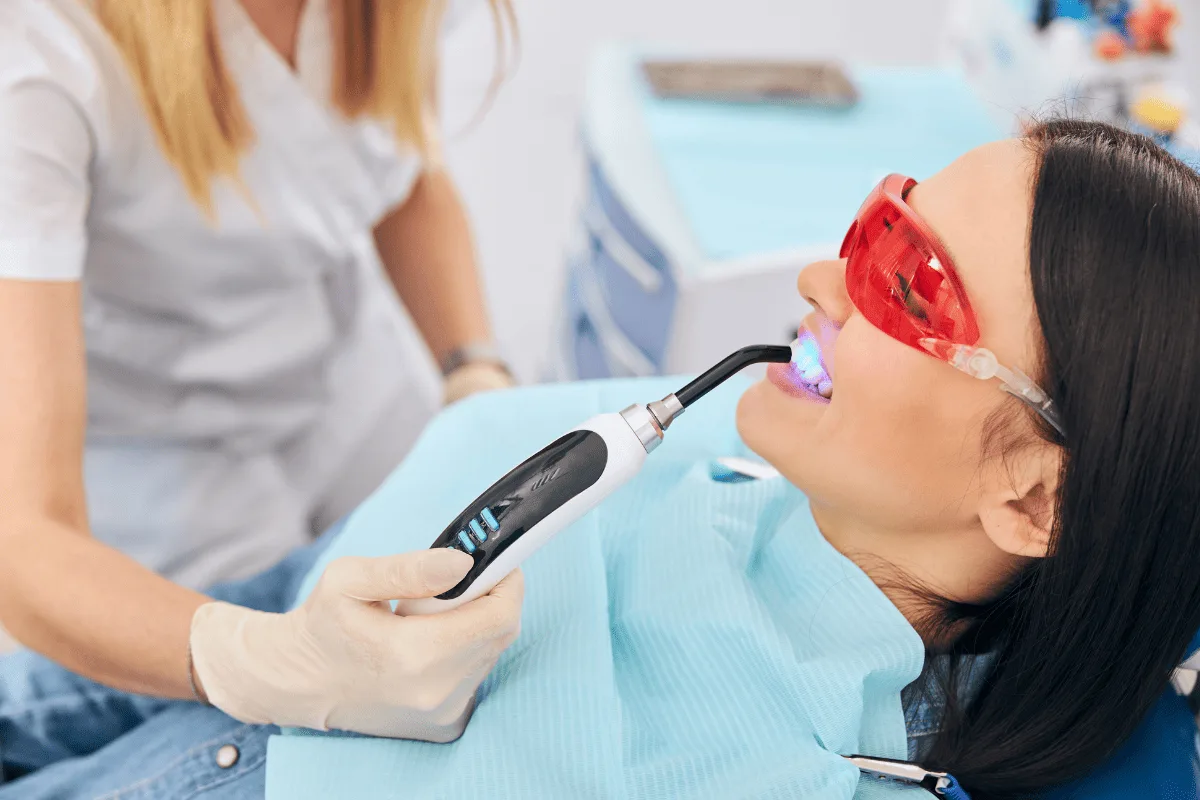
A dental exam is about much more than simply looking at your teeth. A comprehensive dental examination allows your dental team to evaluate your teeth, gums, bite, existing restorations, and overall oral health while identifying concerns that may not cause noticeable symptoms yet.
Many dental problems can develop quietly. Cavities, gum disease, worn teeth, cracked teeth, and other oral health concerns may not hurt during their early stages. Regular examinations can help identify these issues sooner, when treatment may be simpler and more conservative.
If you’re searching for a Springdale dentist who can provide thorough, personalized dental care, Hometown Family Dental serves patients and families in Springdale, Arkansas. We provide comprehensive dental examinations alongside preventive, restorative, and other dental services designed to support long-term oral health.
What Is a Comprehensive Dental Exam?
A comprehensive dental exam is a detailed evaluation of your oral health.
Rather than focusing only on visible cavities, your dentist evaluates multiple aspects of your mouth to develop a clearer picture of your dental health.
Depending on your needs, a comprehensive examination may include:
- Examination of your teeth
- Evaluation of your gums
- Assessment of your bite
- Screening for signs of tooth decay
- Evaluation of existing fillings, crowns, or other restorations
- Review of dental X-rays when appropriate
- Examination of the soft tissues of the mouth
- Discussion of symptoms or concerns
- Review of your oral hygiene habits
- Personalized recommendations for ongoing care
The exact examination will vary depending on your age, dental history, symptoms, and individual risk factors.
Why Is a Comprehensive Dental Exam Important?
You may wonder why you need an examination if your teeth don’t hurt.
The answer is that not every dental problem causes pain in its early stages.
For example, early tooth decay may develop without noticeable symptoms. Gum disease can also progress before significant discomfort appears.
A comprehensive exam can help your dental provider identify concerns such as:
- Cavities
- Gum inflammation
- Gum disease
- Cracked or worn teeth
- Damaged restorations
- Bite problems
- Tooth erosion
- Signs of infection
- Abnormal changes in oral tissues
Early detection can give you more treatment options and may help prevent a small concern from becoming a larger dental problem.
What Happens During a Comprehensive Dental Exam?
Knowing what to expect can make your appointment feel much easier.
While every visit is personalized, a typical comprehensive dental examination may involve several steps.
1. Reviewing Your Dental and Medical History
Your appointment may begin with questions about your overall health and dental history.
Your dental team may want to know about:
- Previous dental treatments
- Current medications
- Allergies
- Existing medical conditions
- Previous dental concerns
- Tooth sensitivity
- Jaw pain
- Bleeding gums
- Dental anxiety
- Changes you’ve noticed in your mouth
It’s important to tell your dentist about any symptoms, even if they seem minor.
For example, occasional sensitivity or bleeding when brushing may provide useful information about your oral health.
2. Discussing Your Current Concerns
Your dentist will also want to understand why you’re visiting.
Maybe you haven’t had a dental appointment in several years. Perhaps you’ve noticed a sensitive tooth, bleeding gums, bad breath, or discomfort when chewing.
You may also simply be looking for a new dental practice for routine care.
This conversation helps us understand your priorities and determine what should receive attention during the examination.
At Hometown Family Dental, we take the time to listen to our patients and explain our findings clearly.
3. Examining Your Teeth
Your dentist will carefully inspect your teeth for signs of dental problems.
This may include looking for:
- Tooth decay
- Cracks
- Chips
- Wear
- Discoloration
- Broken fillings
- Damaged crowns
- Areas of enamel erosion
- Other changes in tooth structure
Some concerns may be visible during a visual examination, while others may require additional diagnostic information.
4. Checking Your Gums
Healthy teeth are only one part of good oral health.
Your gums also need regular evaluation.
Your dental provider may look for signs of:
- Redness
- Swelling
- Bleeding
- Gum recession
- Plaque buildup
- Tartar
- Periodontal problems
If you regularly notice blood when brushing or flossing, don’t ignore it.
Bleeding gums can sometimes indicate inflammation or gum disease and should be discussed with your dentist.
5. Evaluating Your Bite
Your dentist may also examine how your upper and lower teeth come together.
An uneven bite can sometimes contribute to:
- Jaw discomfort
- Excessive tooth wear
- Difficulty chewing
- Tooth sensitivity
- Cracked teeth
- Muscle tension
Your bite may also change over time because of tooth loss, restorations, tooth movement, or other dental conditions.
Evaluating your bite gives your dentist another piece of information about your overall oral health.
6. Checking Existing Dental Work
If you already have fillings, crowns, bridges, or other restorations, these areas also need regular monitoring.
Your dentist may check whether existing dental work is:
- Functioning properly
- Showing signs of wear
- Damaged
- Loose
- Developing leakage or decay around the restoration
Dental restorations aren’t necessarily permanent. Their lifespan can vary depending on the material, location, oral hygiene, bite forces, and other factors.
Regular examinations allow your dentist to monitor them over time.
Will You Need Dental X-Rays?
Not every patient needs the same X-rays at every appointment.
Your dentist will determine whether imaging is appropriate based on factors such as:
- Your age
- Dental history
- Current symptoms
- Risk of tooth decay
- Previous dental treatment
- Existing restorations
- Signs of infection
- Other clinical findings
Dental X-rays can help your dentist see areas that cannot be fully evaluated during a visual examination.
They may help identify problems between teeth, beneath existing restorations, around tooth roots, or in other areas that aren’t visible during a routine examination.
The goal is to use appropriate diagnostic tools when they provide useful information for your care.
Does a Comprehensive Exam Include an Oral Cancer Screening?
A dental examination may also include evaluation of the soft tissues inside your mouth.
Your dentist may look at areas such as:
- Lips
- Cheeks
- Gums
- Tongue
- Roof of the mouth
- Floor of the mouth
- Other visible oral tissues
The purpose is to identify unusual changes that may require further evaluation.
If your dental provider notices something concerning, they can explain what was found and recommend the appropriate next step.
What Happens After the Examination?
Once the examination is complete, your dentist will discuss the findings with you.
If your oral health is in good condition, you may simply receive recommendations for maintaining it.
If a concern is identified, we will explain:
- What we found
- Why it matters
- Whether treatment is necessary
- What treatment options may be available
- How soon treatment should be considered
- What you can do at home
At Hometown Family Dental, we believe patients should understand their treatment options rather than feel pressured into making decisions they don’t understand.
Our goal is to help you make informed choices about your oral health.
What Dental Services Might Be Recommended?
A comprehensive exam may identify a need for different types of dental care.
Depending on your individual needs, your treatment plan may include:
Preventive Dentistry
Preventive services may include:
- Professional dental cleanings
- Fluoride treatment when appropriate
- Oral hygiene guidance
- Regular examinations
Restorative Dentistry
If damage or decay is identified, treatment may include:
- Dental fillings
- Dental crowns
- Root canal treatment
- Other restorative procedures
Gum Care
If signs of gum disease are present, your dentist may recommend periodontal evaluation and appropriate treatment.
Emergency Dental Care
If you have pain, swelling, a broken tooth, or another urgent concern, your examination can help determine the appropriate treatment.
Cosmetic Dentistry
Some patients may also discuss cosmetic concerns such as:
- Tooth discoloration
- Chipped teeth
- Uneven teeth
- Smile appearance
A comprehensive examination can help determine whether cosmetic treatment is appropriate and whether the underlying teeth and gums are healthy enough for it.
How Often Should You Have a Dental Exam?
There isn’t one schedule that works perfectly for everyone.
Some people may benefit from routine examinations approximately every six months, while patients with certain oral health conditions may need to be seen more frequently.
Your recommended schedule may depend on:
- History of cavities
- Gum health
- Age
- Oral hygiene
- Existing dental restorations
- Tooth wear
- Dental risk factors
- Overall health
Instead of following a schedule based solely on what someone else does, ask your dentist how frequently you should be evaluated.
What If You Haven’t Seen a Dentist in Years?
If it has been several years since your last dental appointment, don’t let embarrassment keep you away.
Many people delay dental care because they’re worried about what the dentist might find.
A comprehensive exam is a starting point.
Your dentist can assess your current oral health and help you understand what needs attention first.
You don’t have to fix everything at once.
At Hometown Family Dental, we provide personalized dental care based on your current needs and priorities.
Whether you’re returning to dental care after several years or simply looking for a new local dental practice in Springdale, our team can help you establish an ongoing plan.
How Can You Prepare for Your Dental Exam?
You don’t need to do anything complicated before your appointment.
It can help to:
- Bring an updated medication list
- Tell your dentist about medical changes
- Make a note of any dental symptoms
- Mention tooth sensitivity
- Tell us if your gums bleed
- Share concerns about dental anxiety
- Bring information about previous dental treatments when available
Most importantly, be honest about your dental habits and concerns.
Your dentist isn’t there to judge you. The information you provide helps us make better decisions about your care.
Why Choose Hometown Family Dental in Springdale?
Choosing a dental practice is about more than finding an office close to home.
You want a dental team that can understand your needs, communicate clearly, and help you maintain your oral health over time.
At Hometown Family Dental, we provide comprehensive dental care for individuals and families in Springdale, Arkansas.
Our services can include:
- Comprehensive dental examinations
- Professional cleanings
- Preventive dentistry
- Restorative dentistry
- Emergency dental care
- Children’s dental care
- Dental crowns
- Fillings
- Gum care
- Other personalized dental services
Our goal is to make dental care straightforward and comfortable while helping you stay proactive about your oral health.
Whether you’re experiencing a dental problem or simply due for a checkup, our team can help you understand your next steps.
Frequently Asked Questions
What is included in a comprehensive dental exam?
A comprehensive dental exam may include an evaluation of your teeth, gums, bite, existing dental work, and oral tissues. Dental X-rays may also be recommended when appropriate based on your individual needs.
How long does a comprehensive dental exam take?
The length of an examination varies depending on your dental history, current concerns, whether you’re a new patient, and whether additional diagnostic procedures are needed. Your dental team can provide a better estimate when scheduling your appointment.
Can a dentist find cavities before they hurt?
Yes. Some cavities may develop without noticeable pain, particularly in their earlier stages. A dental examination and appropriate diagnostic tools can help identify decay before it becomes more advanced.
What if my gums bleed during brushing?
Bleeding gums can be a sign of inflammation or gum disease. If your gums regularly bleed, mention it during your dental examination so your dentist can evaluate the cause and recommend appropriate care.
How often should I see a dentist in Springdale?
Your ideal dental visit schedule depends on your individual oral health needs. Many patients have routine examinations, while people with higher risks for cavities, gum disease, or other concerns may need more frequent visits.
Take the Next Step Toward Better Oral Health
A comprehensive dental examination gives you more than a quick look at your teeth. It provides an opportunity to identify developing problems, monitor existing dental work, evaluate your gums and bite, and create a personalized plan for maintaining your smile.
Even if nothing hurts, regular dental examinations can help you stay ahead of problems that may otherwise become more complicated.
If you’re looking for a Springdale dentist for comprehensive, family-focused dental care, Hometown Family Dental is here to help.
We provide preventive, restorative, emergency, and general dental services in Springdale, Arkansas, with care tailored to each patient’s needs.
Don’t wait until a small dental concern becomes a painful problem. Schedule your comprehensive dental exam with Hometown Family Dental today and take a proactive step toward a healthier smile.