
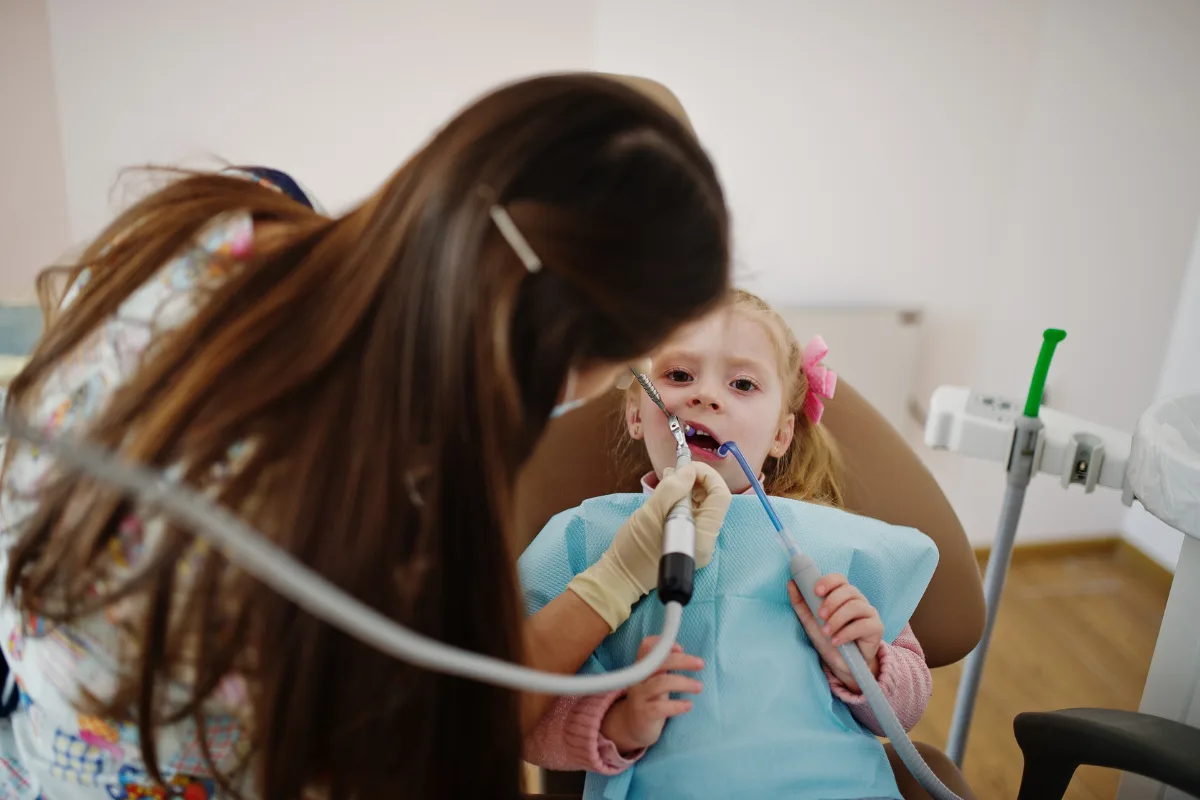
A fall can happen in seconds, but seeing blood in a child’s mouth can be alarming. A child may fall while playing, slip at home, trip at school, or hit the mouth during a sports activity. Even a relatively small cut to the lip, tongue, cheek, or gums can cause noticeable bleeding.
The first step is to stay calm and determine whether the child is otherwise okay. If the child is alert and breathing normally, basic first aid can usually begin while the injury is assessed. The source of the bleeding should be identified, and the teeth should also be checked because a fall can injure both the soft tissues and the teeth.
For families searching for Children Dental Emergency Springdale care, knowing when a mouth injury needs dental attention versus emergency medical care can make an unexpected situation easier to manage.
Why Can a Child’s Mouth Bleed After a Fall?
The lips, tongue, gums, and other tissues inside the mouth contain many blood vessels. As a result, even a small cut can produce a surprising amount of blood.
A fall may cause several types of mouth injuries, including:
- A cut or split lip
- A cut on the tongue
- A bite injury inside the cheek
- A tear between the lip and gum
- Bleeding or bruising around the gums
- A loose tooth
- A displaced tooth
- A chipped or cracked tooth
- Injury to the tissues supporting a tooth
The amount of bleeding does not necessarily indicate how serious the injury is. A small soft-tissue wound may bleed heavily, while a more significant tooth injury may produce little visible blood.
For that reason, parents should check the entire mouth rather than focusing only on the area that appears to be bleeding.
What Should Parents Do Immediately?
If the child is alert and breathing normally, several simple first-aid steps can be taken while determining whether professional care is needed.
1. Keep the child calm
A child may become frightened when seeing blood, especially if the injury happened suddenly. Having the child sit upright and remain as calm as possible can make it easier to assess the injury.
Avoid allowing the child to repeatedly touch or examine the injured area.
2. Identify where the bleeding is coming from
With good lighting, gently look at the:
- Lips
- Tongue
- Inside of the cheeks
- Gums
- Areas around the teeth
- Roof of the mouth
If the source is not immediately obvious, avoid repeatedly pulling the lip or tongue away from the wound. Excessive handling can disturb a developing blood clot and cause bleeding to start again.
3. Apply steady pressure
For an accessible cut, place clean gauze or a clean cloth over the area and apply steady pressure.
The American Academy of Pediatrics recommends maintaining pressure rather than repeatedly removing the material to check whether the bleeding has stopped. If blood soaks through the material, additional clean material can be placed over it while pressure is maintained.
If significant bleeding continues despite sustained pressure, medical evaluation may be necessary.
4. Use a cold compress for swelling
A cold compress wrapped in a cloth can be applied to the outside of the mouth if there is swelling around the lip or face.
Ice should not be placed directly against the skin. A cold compress may help reduce temporary swelling and discomfort while the injury is being evaluated.
5. Check the teeth
Once the immediate bleeding has been addressed, check whether any teeth appear different from before the fall.
Look for a tooth that:
- Feels loose
- Has shifted position
- Looks shorter or longer
- Appears chipped or cracked
- Has been pushed into the gum
- Looks noticeably different from neighboring teeth
- Causes pain when biting
A dental evaluation is appropriate when a tooth has been injured or its position has changed.
When Is Mouth Bleeding After a Fall an Emergency?
Not every mouth injury requires an emergency department visit. However, certain symptoms indicate that immediate medical attention is needed.
Emergency medical care may be appropriate if a child has:
- Heavy or uncontrolled bleeding
- Trouble breathing
- Trouble swallowing
- Significant swelling of the tongue or throat
- A serious facial or jaw injury
- Loss of consciousness
- Unusual difficulty staying awake
- Significant changes in alertness or behavior
- Other concerning signs following a head or neck injury
The American Academy of Pediatrics recommends urgent medical evaluation for significant mouth injuries involving uncontrolled bleeding, breathing or swallowing difficulties, or other concerning symptoms.
The American Academy of Pediatric Dentistry also considers uncontrolled bleeding and significant orofacial trauma among conditions requiring emergency attention.
What if the bleeding stops?
Bleeding that stops after steady pressure is generally less concerning than bleeding that remains uncontrolled. However, the end of the bleeding does not necessarily mean there was no dental injury.
A dentist should be contacted if the child has:
- A loose tooth
- A displaced tooth
- A chipped or cracked tooth
- Persistent mouth pain
- Pain when biting
- Significant gum injury
- Swelling around a tooth
- A noticeable change in a tooth after the fall
A dental injury can sometimes involve the supporting tissues around a tooth even when the tooth does not appear severely damaged.
Could the Bleeding Be Coming From the Gums?
Yes. Blood in the mouth after a fall does not always come from a cut on the lip or tongue.
Trauma can injure the gums around a tooth, particularly if the tooth has been loosened or moved. The surrounding tissue may appear bruised, swollen, or bloody.
A fall can also cause a tooth to chip or fracture, potentially injuring nearby soft tissue.
If it is difficult to determine where the blood is coming from, parents should avoid probing the area with their fingers or another object. A dental professional can assess the mouth and determine whether the teeth or surrounding tissues have been affected.
What If a Child’s Tooth Is Loose After a Fall?
A tooth that becomes loose after trauma should not be repeatedly wiggled to determine how loose it is. Additional movement can irritate the surrounding tissues.
Instead, note what happened and contact a dentist for guidance.
Useful information to provide includes:
- When the fall occurred
- Which tooth appears loose
- Whether it is a baby tooth or permanent tooth
- Whether there is pain
- Whether there is swelling or bleeding
- Whether the tooth has moved
- Whether the child’s bite feels different
Baby teeth and permanent teeth can require different approaches following dental trauma. The American Academy of Pediatric Dentistry recommends considering the type of tooth involved, the extent of the injury, and the developing permanent teeth when managing trauma to primary teeth.
What If There Is a Cut on the Lip or Tongue?
Cuts to the lips and tongue are common after falls because the mouth may close suddenly during the impact.
Minor soft-tissue injuries can often be managed initially with direct pressure. However, some wounds require professional medical evaluation.
Particular attention is needed when a wound:
- Is deep or large
- Remains open or gaping
- Continues to bleed despite sustained pressure
- Involves the edge of the lip
- Extends significantly through the lip or tongue
- Interferes with normal movement of the mouth
The American Academy of Pediatrics notes that some cuts may require stitches and recommends medical attention when bleeding continues despite sustained pressure or when the wound is significant.
Should a Child See a Dentist After a Fall?
The answer depends on the injury.
A minor mouth injury that stops bleeding quickly and does not involve the teeth may not require emergency dental treatment. However, dental evaluation is appropriate when there are signs of trauma involving a tooth, gum, or surrounding structures.
A dentist should be contacted if the child has:
- A loose tooth
- A displaced tooth
- A chipped tooth
- A cracked tooth
- Persistent dental pain
- Pain when biting
- Swelling around a tooth
- Bleeding from the gums around an injured tooth
- A tooth that looks different after the fall
Dental trauma guidelines emphasize evaluation of injured teeth because treatment depends on the type of injury and whether the affected tooth is primary or permanent.
What Should Parents Avoid Doing?
When a child is bleeding, it can be tempting to repeatedly inspect the injury or try to correct a tooth that looks out of position. Certain actions should be avoided.
Do not:
- Repeatedly pull the lip or tongue away from the wound
- Scrub an injured area
- Probe a wound with a sharp object
- Repeatedly wiggle a loose tooth
- Try to straighten a displaced tooth at home
- Try to remove a tooth that has been pushed into the gum
- Assume the injury is harmless simply because bleeding has stopped
- Delay emergency medical care when the child has trouble breathing or swallowing
When there is uncertainty about the severity of an injury, professional advice is safer than attempting to manage a significant dental injury at home.
Should a Child Go to the Dentist or the ER?
Parents often have to make this decision quickly after a fall.
A dentist may be the appropriate first call when:
The child is otherwise stable and the primary concern involves the teeth or gums.
Examples include:
- A loose tooth
- A chipped or cracked tooth
- A displaced tooth
- Dental pain after trauma
- Bleeding around an injured tooth
- Swelling around a tooth
- A noticeable change in the child’s bite
Emergency medical care may be necessary when:
The injury appears to involve a broader medical emergency.
Examples include:
- Uncontrolled bleeding
- Difficulty breathing
- Difficulty swallowing
- Significant tongue or throat swelling
- Serious facial or jaw trauma
- Loss of consciousness
- Concerning changes in alertness or behavior
A dental office can evaluate dental trauma, while an emergency department is equipped to address serious medical, facial, head, or neck injuries.
Can a Fall Damage a Tooth Even If It Looks Normal?
Yes. Not every dental injury is immediately obvious.
A tooth can experience trauma to its supporting tissues without a dramatic visible fracture. A child may also develop pain, sensitivity, looseness, or other changes after the initial injury.
Parents should therefore monitor the child after a significant fall and contact a dentist if symptoms develop or if there is uncertainty about the condition of a tooth.
This is particularly important when a child has injured the front teeth, because these teeth can be directly affected during falls involving the face or mouth.
How Hometown Family Dental Helps With Children’s Dental Emergencies in Springdale
When a child experiences a dental injury, parents need clear guidance about what should happen next.
Hometown Family Dental provides children’s dental services in Springdale, including emergency care for concerns such as toothaches, chipped or cracked teeth, knocked-out teeth, swelling, and signs of infection. Same-day appointments are also listed as available for emergency concerns.
Our team can evaluate a child’s dental injury and help determine the appropriate next step based on the condition of the teeth, gums, and surrounding tissues.
We also provide preventive and restorative dental services, including dental cleanings, fluoride treatments, tooth-colored fillings, crowns, pulp therapy, and other care designed for growing smiles.
For families in Springdale and nearby communities, having a local dental office familiar with children’s dental needs can make an unexpected injury easier to manage.
What Should Parents Remember After a Child Falls?
Seeing blood in a child’s mouth can be frightening, but the amount of bleeding does not always indicate the severity of the injury.
The most important steps are to:
- Keep the child calm.
- Make sure the child is breathing normally and remains alert.
- Identify the source of the bleeding.
- Apply steady pressure with clean gauze or cloth.
- Use a cold compress for swelling.
- Check the teeth after the immediate bleeding is controlled.
- Contact a dentist if a tooth is loose, displaced, broken, painful, or otherwise changed.
- Seek emergency medical care for uncontrolled bleeding, breathing or swallowing problems, serious facial trauma, or concerning head-injury symptoms.
When there is uncertainty about a dental injury, contacting a dental professional can help determine whether the child needs an examination or further care.
Frequently Asked Questions
What should I do if my child’s mouth is bleeding after a fall?
If my child is alert and breathing normally, I should keep them calm, identify the source of the bleeding, and apply steady pressure with clean gauze or cloth. If the bleeding does not stop or other concerning symptoms are present, medical attention may be necessary.
Should I take my child to a dentist if the bleeding has stopped?
If my child’s bleeding has stopped but a tooth is loose, displaced, cracked, painful, or looks different after the fall, I should contact the child’s dentist for an evaluation.
What if my child’s tooth is loose after a fall?
I should avoid repeatedly wiggling the tooth and contact a dentist. I should also tell the dental office whether the tooth is a baby tooth or permanent tooth and whether there is pain, swelling, or bleeding.
When should I take my child to the ER instead of a dentist?
I should seek emergency medical care if my child has uncontrolled bleeding, trouble breathing or swallowing, significant tongue or throat swelling, serious facial trauma, loss of consciousness, or concerning changes in alertness or behavior.
Can my child’s teeth be injured even if the mouth bleeding stops?
Yes. If my child’s tooth becomes loose, changes position, becomes painful, chips, cracks, or looks different after the fall, I should contact a dentist even if the visible bleeding has stopped.
Get Help With a Child’s Dental Emergency in Springdale
A fall can happen unexpectedly, but knowing what to look for can help parents respond appropriately. If a child’s mouth is bleeding and there is concern about a possible tooth or oral injury, professional evaluation can help determine whether dental treatment or additional care is needed.
Hometown Family Dental provides children’s dental and emergency services in Springdale. The office is located at 1163 N 48th St STE C, Springdale, AR 72762, with listed hours Monday through Friday from 8:00 AM to 5:00 PM.
For a dental injury or other urgent dental concern, contact Hometown Family Dental at 479-255-5437 to discuss the situation and determine the appropriate next step.