
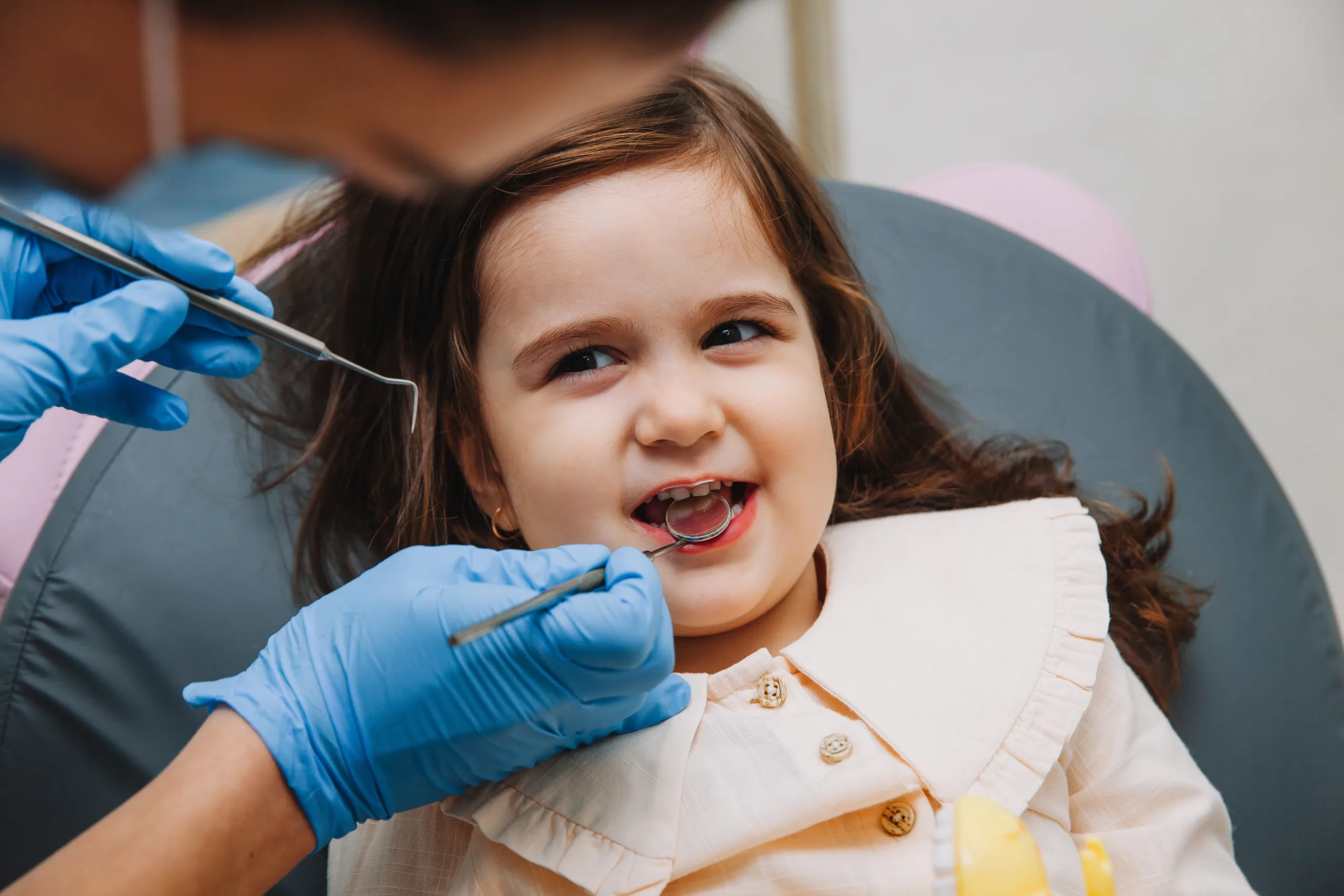
A child’s first dental appointment is an important step toward building healthy oral habits that can last for years. Many parents feel unsure about when to schedule that first visit, what to expect during the appointment, or how to help their child feel comfortable in the dental chair. Understanding the process ahead of time can make the experience smoother for both children and parents.
Families in Springdale, AR often begin preparing for a first dental visit once baby teeth start appearing or when their child reaches their first birthday. Early dental care helps identify concerns before they become larger problems while also teaching children that dental visits are a normal part of staying healthy.
Why Early Dental Visits Matter
The first dental appointment is not only about checking teeth. It also gives parents guidance on proper brushing, healthy eating habits, fluoride use, and ways to reduce the risk of cavities as children grow.
Early dental visits can help:
- Monitor tooth development
- Detect early signs of decay
- Identify bite or jaw concerns
- Create positive dental experiences
- Build confidence with future appointments
- Teach children healthy oral hygiene habits
Children who become familiar with dental care at a young age are often more comfortable returning for regular checkups later.
When Should a Child Have Their First Dental Appointment?
Most dental professionals recommend scheduling the first visit by the child’s first birthday or within six months after the first tooth appears. Even though baby teeth eventually fall out, they still play a major role in speech development, chewing, and guiding permanent teeth into position.
Waiting too long for the first visit may allow small dental issues to develop unnoticed. Early checkups help parents stay informed while supporting healthy oral development from the beginning.
How Parents Can Prepare Before the Appointment
Preparation can make a major difference in helping children feel calm and relaxed during their visit.
Talk Positively About the Dentist
Children often react based on how adults describe the experience. Using positive, simple language can help reduce fear and uncertainty. Instead of focusing on discomfort, explain that the dentist helps keep teeth clean and healthy.
Avoid using words like:
- Pain
- Needle
- Hurt
- Drill
Instead, keep the conversation encouraging and reassuring.
Schedule the Appointment at the Right Time
Choose a time when the child is usually rested and cooperative. Morning appointments often work well for younger children because they are less likely to feel tired or overwhelmed.
Bring Comfort Items
A favorite toy, blanket, or stuffed animal may help children feel more secure during the visit.
Complete Forms Ahead of Time
Filling out paperwork before arriving can reduce stress and make check-in easier for parents.
What Happens During a First Dental Visit?
The first appointment is usually gentle, educational, and focused on helping children feel comfortable.
Depending on the child’s age and comfort level, the visit may include:
A Gentle Oral Examination
The dentist checks the gums, baby teeth, jaw development, and overall oral health. They may look for signs of cavities, alignment concerns, or habits like thumb-sucking that could affect dental growth.
Teeth Cleaning
If appropriate, the dental team may gently clean the child’s teeth to remove plaque buildup and discuss proper brushing techniques with parents.
Fluoride Treatment
Some children may benefit from fluoride treatment to strengthen enamel and help protect against cavities.
Parent Education
Parents often receive guidance on:
- Brushing techniques
- Teething concerns
- Pacifier habits
- Nutrition choices
- Preventing tooth decay
- Managing thumb-sucking habits
The first appointment is also a great opportunity for parents to ask questions about their child’s oral development.
Common Concerns Parents Often Have
“What If My Child Cries?”
Crying during a first dental visit is completely normal, especially for younger children. Dental teams who work with children understand how to create a calm and supportive environment.
The goal is not perfection during the first visit. It is simply helping the child become familiar with the dental setting.
“What If My Child Has Cavities Already?”
Cavities can develop early, even in baby teeth. Identifying them early allows treatment before the problem worsens. Many early-stage dental concerns can be managed more effectively when discovered during routine visits.
“How Often Should Children Visit the Dentist?”
Most children benefit from dental checkups every six months, although some may need more frequent visits depending on their oral health needs.
Tips for Healthy Teeth Between Appointments
Healthy habits at home are just as important as regular dental visits.
Encourage Daily Brushing
Children should brush twice daily using a soft toothbrush and age-appropriate toothpaste.
Limit Sugary Drinks and Snacks
Frequent sugar exposure increases cavity risk. Water and balanced meals help support healthier teeth.
Avoid Bedtime Bottles with Sugary Liquids
Milk, juice, or sweetened drinks before bed can increase the risk of tooth decay.
Set a Good Example
Children often copy adult habits. Brushing and flossing together can encourage consistency and make oral care feel more routine.
Creating Positive Dental Experiences Early
A positive first dental visit can influence how children feel about dental care for years to come. Gentle guidance, regular checkups, and supportive experiences help children become more confident during future appointments.
Parents in Springdale, AR who prioritize early dental care often find that children become more comfortable with oral hygiene routines and regular dental visits over time.
Supporting Healthy Smiles From the Start
A child’s first dental appointment is an important step toward building strong oral health habits early in life. Regular checkups, preventive care, and positive experiences can help children feel more comfortable with dental visits as they grow.
Families searching for children’s dental care in Springdale, AR can benefit from finding a local dental office that focuses on gentle care, education, and long-term oral health support. Parents looking for a trusted children’s dentist in Springdale may also explore local Google Business listings to learn more about available services, office details, and appointment scheduling options nearby.
Frequently Asked Questions
At what age should a child first visit the dentist?
Most children should have their first dental appointment by their first birthday or within six months after their first tooth appears. Early visits help monitor oral development and prevent future dental problems.
How can I prepare my child for their first dental appointment?
Parents can prepare children by talking positively about the dentist, reading children’s books about dental visits, and scheduling appointments when the child is well-rested. Bringing a favorite toy or comfort item may also help.
What happens during a child’s first dental visit?
The first visit usually includes a gentle oral examination, checking tooth development, discussing oral hygiene habits, and answering parents’ questions about brushing, nutrition, and cavity prevention.
How often should children visit the dentist?
Most children should visit the dentist every six months for regular checkups and cleanings. Some children may need more frequent visits depending on their oral health needs.
Why are baby teeth important if they eventually fall out?
Baby teeth help children chew properly, speak clearly, and guide permanent teeth into their correct positions. Healthy baby teeth also reduce the risk of infections and future dental complications.